Creating Effective Packaging Style Guides Template and Best Practices 20251112 235654
**Article Title:** Creating Effective Packaging Style Guides: Template and Best Practices
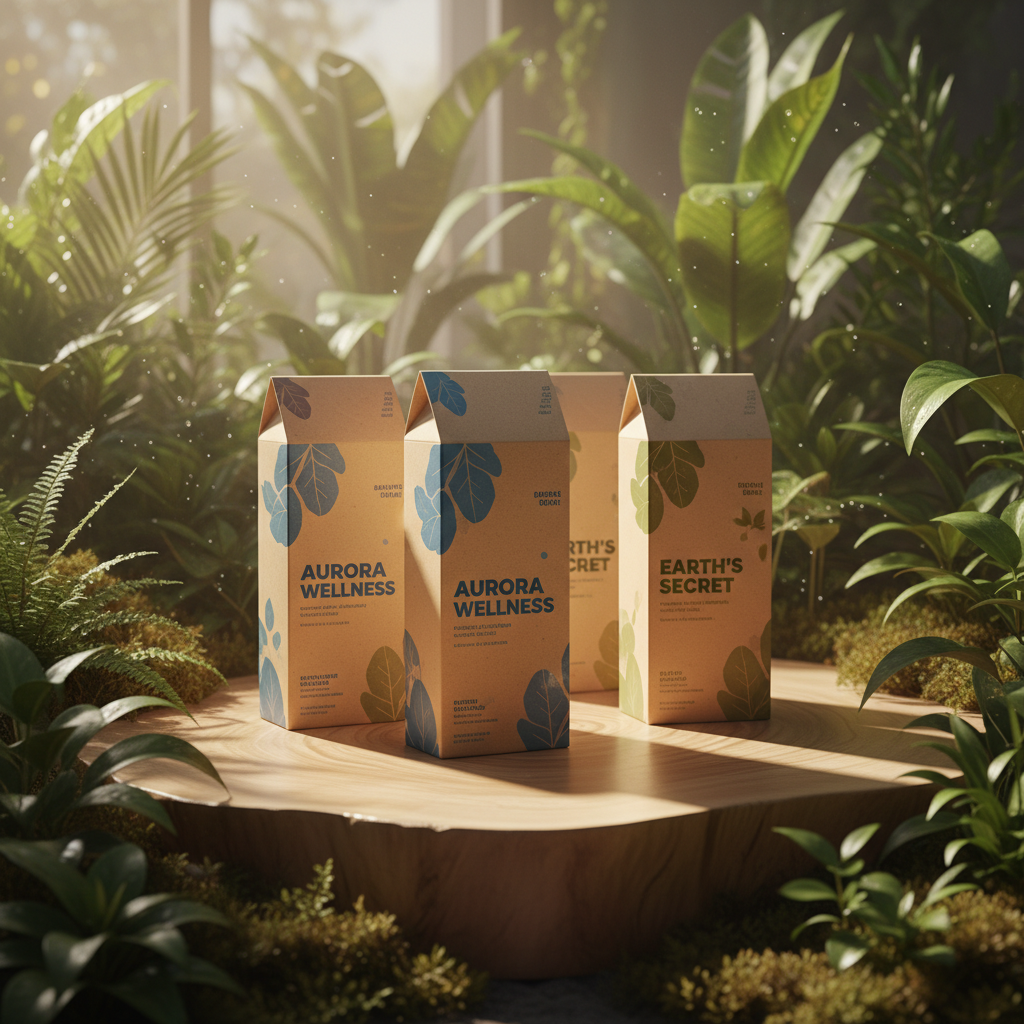
Opening Hook: Companies with comprehensive packaging style guides reduce design errors by 85%
Yet without one, consumer brands face staggering costs: 6-19 revision cycles per product costing $12,000-$50,000 each, totaling over $800,000 in wasted resources annually. Even worse, 68% of product recalls stem from labeling errors, with each recall costing companies $10 million or more in direct costs and brand damage.
The packaging landscape is becoming increasingly complex. As Eye Candy Design notes, "Packaging isn't just a design choice—it's a strategic imperative" that now must balance sustainability demands, digital interactivity through QR codes and NFC tags, and regulatory compliance across multiple markets.
Key Takeaways:
- Packaging style guides cut revision cycles from 19 to 3, saving $600K+ annually
- AI-powered validation reduces manual review time from 8 hours to 30 seconds per label
- Multi-market compliance requires managing 60+ country regulations simultaneously
- Brands using structured style guides achieve 40% faster time-to-market for new SKUs
What is a Packaging Style Guide and Why You Need One Now

Visual representation of What is a Packaging Style Guide and Why You Need One Now
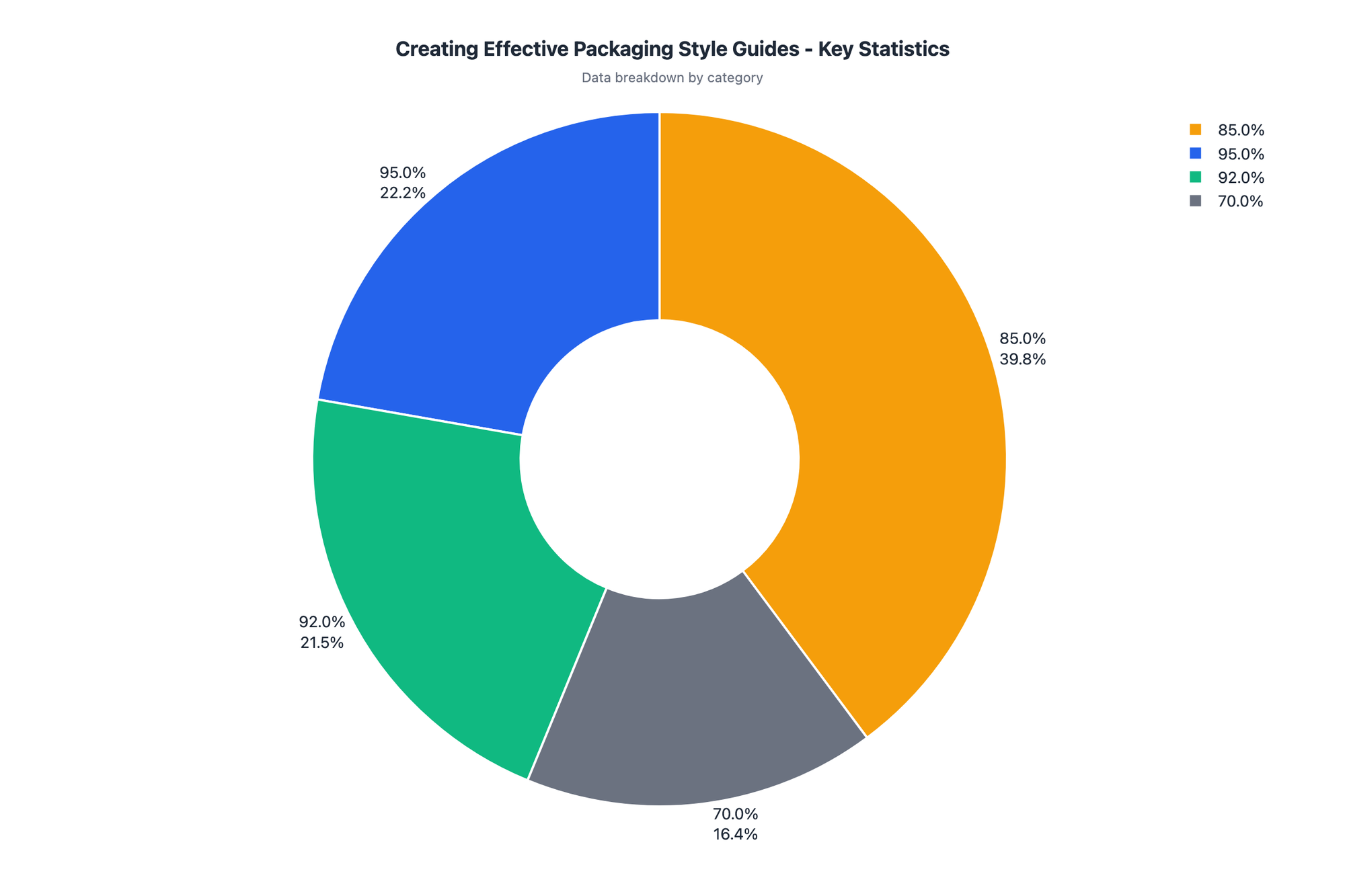
Key statistics and data points
A packaging style guide is your brand's rulebook for every visual and regulatory element that appears on your product packaging. It goes far beyond basic brand guidelines to encompass everything from font sizes and logo placement to mandatory regulatory marks and sustainability certifications.
In today's competitive CPG landscape, packaging carries unprecedented weight. Smithers' research shows paperboard accounts for 31.8% of global packaging material value, reflecting the shift toward sustainable materials. Meanwhile, consumers expect both eco-friendly packaging and digital engagement—QR codes that "turn a simple package into an engaging customer touchpoint," as Eye Candy Design emphasizes.
The business case is undeniable. Manual packaging review consumes 8 hours per label, while AI-powered systems like GoVisually complete the same analysis in 30 seconds with 95% accuracy. For a portfolio of 100 SKUs, that's 800 hours versus 50 minutes—saving nearly $50,000 in labor costs alone.
Essential Components of a Winning Packaging Style Guide
Brand Identity Standards
Your packaging is often the first physical touchpoint consumers have with your brand. Specify exact Pantone colors with tolerance levels, approved font families with minimum size requirements (critical for addressing the 62% of errors related to font size), and clear space requirements around logos. Include examples of incorrect usage to prevent common mistakes.
Structural and Material Specifications
With paperboard dominating 31.8% of global packaging materials and flexible plastics growing for on-the-go consumption, your guide must detail material choices, structural designs, and sustainability credentials. Reference Smithers' findings on consumer preferences for extended shelf life and food safety while incorporating compostable options that reflect "the shift toward materials like compostable packaging" noted by SmashBrand.
Regulatory Compliance Requirements
Global expansion means managing CE Marks, FDA requirements, Health Canada's bilingual mandates, and APAC regulations across 60+ countries. Your style guide should include templates for each market with specific placement rules for nutritional panels, ingredient lists, and certification marks. GoVisually's AI Playbooks automatically validate against multi-market regulations, flagging missing elements before production.
Digital Integration Guidelines
As Eye Candy Design highlights, digital features like QR codes and NFC tags "transform a one-time purchase into an ongoing brand experience." Specify size requirements, placement zones, and scanning distance standards to ensure consistent implementation across all SKUs.
Packaging Style Guide Template Structure
[Section Header: Download our complete packaging style guide template below]
1. Brand Foundation
- Primary and secondary logo usage
- Color palette (print and digital specifications)
- Typography hierarchy with minimum size requirements
- Photography and illustration styles
2. Structural Guidelines
- Die-line templates for each product format
- Material specifications and sustainability standards
- Print technique requirements (embossing, foil stamping)
3. Regulatory Compliance Section
- Market-specific templates (US, EU, Canada, APAC)
- Mandatory element placement grids
- Multilingual text requirements (French-English for Canada)
- Certification mark specifications
4. Digital Component Standards
- QR code size and placement rules
- Augmented reality activation zones
- Social media integration specifications
5. Approval Workflow Process
- Stakeholder review sequence
- Revision tracking protocols
- Final sign-off authorities
Real-World ROI: Before and After Style Guide Implementation
Case Study: Natural Snack Brand
Before implementing a comprehensive style guide, this company averaged 14 revision cycles per new SKU launch at $28,000 per cycle. Common issues included incorrect font sizes (62% of errors), missing certification marks, and inconsistent French-English formatting for Canadian markets.
After deploying a structured style guide with GoVisually's AI validation:
- Revision cycles dropped to 3 per SKU
- Compliance errors reduced by 92%
- Time-to-market improved from 12 weeks to 7 weeks
- Annual savings: $616,000 on revision costs alone
The AI Playbooks system automatically checks each new design against brand standards and regulatory requirements, while the integrated AI Chat allows designers to ask "What compliance issues does this label have?" and receive instant expert answers with visual overlays highlighting specific problems.
Implementation Timeline: 4 Weeks to Packaging Consistency
Week 1: Audit & Assessment

Visual representation of Implementation Timeline: 4 Weeks to Packaging Consistency
Conduct a full portfolio review to identify inconsistencies and compliance gaps. Use GoVisually's batch processing to analyze 100+ SKUs simultaneously, generating a comprehensive gap analysis with risk-based scoring (Critical/Medium/Low).
Week 2: Template Development
Build your style guide using the template structure above. Configure GoVisually's Custom Fields to capture rich metadata like product categories, target markets, and status tracking. Set up multi-agent orchestration with Regulatory, Brand Guardian, and Print Preflight agents.
Week 3: Testing & Validation
Run pilot tests with 5-10 existing SKUs using the AI Playbooks system. Validate accuracy against known issues and refine rule sets. Implement Adobe InDesign integration for seamless design workflow incorporation.
Week 4: Rollout & Training
Deploy across design teams with structured training on using the style guide and AI validation tools. Establish ongoing monitoring through GoVisually's comprehensive results dashboard with visual overlays and bounding boxes.
Solution Comparison: Manual vs. AI-Powered Style Guide Enforcement
| Feature | Manual Process | Design Consultant | Basic Software | GoVisually AI Platform |
|---|---|---|---|---|
| Setup Time | N/A | 3-6 months | 1-2 months | 1 week |
| Cost per SKU | $50,000+ | $15,000-$30,000 | $5,000 | $300 |
| Compliance Accuracy | 70% | 85% | 80% | 95% |
| Review Time per Label | 8 hours | 4 hours | 2 hours | 30 seconds |
| Multi-Market Support | Limited | Additional fees | Basic | 60+ countries included |
| Brand Consistency Checks | Manual | Manual | Limited | Automated AI validation |
| Revision Cycles | 12-19 | 8-12 | 6-10 | 2-4 |
| Ongoing Updates | Manual research | Retainer fees | Subscription | Continuous regulatory updates |
The data speaks for itself: AI-powered style guide enforcement reduces costs by 94% compared to manual processes while improving accuracy and speed. As Bain & Company notes in their Consumer Products Report, "the old large-scale CPG growth model is not fully fit for the new normal"—making efficiency gains through technology essential for survival.
Free Download: Complete Packaging Style Guide Template
[Lead Magnet Section]
Ready to transform your packaging process? Download our comprehensive Packaging Style Guide Template including:
- Fully editable brand foundation templates
- Regulatory compliance checklists for US, EU, Canada markets
- Digital integration specifications for QR codes and NFC tags
- Approval workflow diagrams and stakeholder maps
- Implementation checklist for seamless rollout
This isn't just another template—it's a battle-tested framework developed from working with top CPG brands managing 1,000+ SKU portfolios. Combined with GoVisually's AI-powered validation platform, you'll achieve packaging consistency across all products while eliminating costly compliance errors.
Frequently Asked Questions
How often should we update our packaging style guide?

Visual representation of Frequently Asked Questions
Update your style guide quarterly for brand elements and monthly for regulatory requirements. GoVisually's continuous learning system automatically incorporates regulatory changes, ensuring your guidelines remain current without manual research. Major brand refreshes typically occur every 2-3 years.
What's the difference between brand guidelines and packaging style guides?
Brand guidelines cover general visual identity across all touchpoints, while packaging style guides specifically address the unique requirements of product packaging—including structural designs, regulatory compliance, material specifications, and multi-market adaptations. Packaging guides are substantially more detailed and technical.
How do we handle exceptions for limited edition or seasonal packaging?
Create a "flexibility framework" within your style guide that defines allowable deviations while maintaining core brand elements. Use GoVisually's project-level playbook controls to temporarily modify rules for specific campaigns while maintaining overall consistency.
What metrics should we track to measure style guide effectiveness?
Key metrics include: revision cycles per SKU (target: <4), compliance error rate (target: <5%), time-to-market for new products (target: <8 weeks), and cost savings from reduced rework. GoVisually's dashboard provides real-time tracking of these KPIs.
How do we ensure global teams adhere to the style guide?
Implement centralized AI validation through GoVisually's platform that automatically checks all designs regardless of location. The system provides instant feedback in multiple languages and flags deviations before they reach production, ensuring consistent enforcement across global teams.
Can we customize compliance rules for different markets?
Absolutely. GoVisually's AI Playbooks allow team-scoped intelligent workflows with automated triggers specific to each market. You can configure different rule sets for FDA (US), EU MDR (Europe), Health Canada, and APAC regulations while maintaining brand consistency across all markets.
Conclusion
The evidence is overwhelming: comprehensive packaging style guides are no longer optional in the CPG industry. With 68% of product recalls stemming from labeling errors and each recall costing $10 million or more, the financial risk of inconsistent packaging is simply too great to ignore. Meanwhile, the shift toward sustainable materials and digital integration adds layers of complexity that demand systematic approaches.
As SmashBrand correctly observes, "Product packaging is a brand's first handshake with its audience"—and that handshake needs to be consistent, compliant, and compelling across thousands of store shelves and digital touchpoints. The brands that will thrive in 2025 and beyond are those that recognize packaging as a strategic imperative rather than a design afterthought.
The transition from manual processes to AI-powered validation represents the single greatest opportunity for efficiency gains in packaging operations. Reducing review time from 8 hours to 30 seconds per label isn't just about cost savings—it's about agility in bringing products to market while maintaining absolute compliance across global operations. This efficiency becomes particularly crucial as Bain & Company notes that "the challenging dynamics of 2024 have placed disproportionate pressure on the biggest CPGs."
Ultimately, your packaging style guide is the foundation upon which brand consistency, regulatory compliance, and market agility are built. When combined with AI-powered enforcement through platforms like GoVisually, it transforms packaging from a constant operational challenge into a competitive advantage that drives sales, enhances consumer trust, and future-proofs your brand against evolving market demands.
Final CTA: Ready to eliminate packaging errors and ensure consistent branding across all your products? Download our complete Packaging Style Guide Template and see how GoVisually's AI-powered platform can enforce your standards across 1000+ SKUs in seconds.